

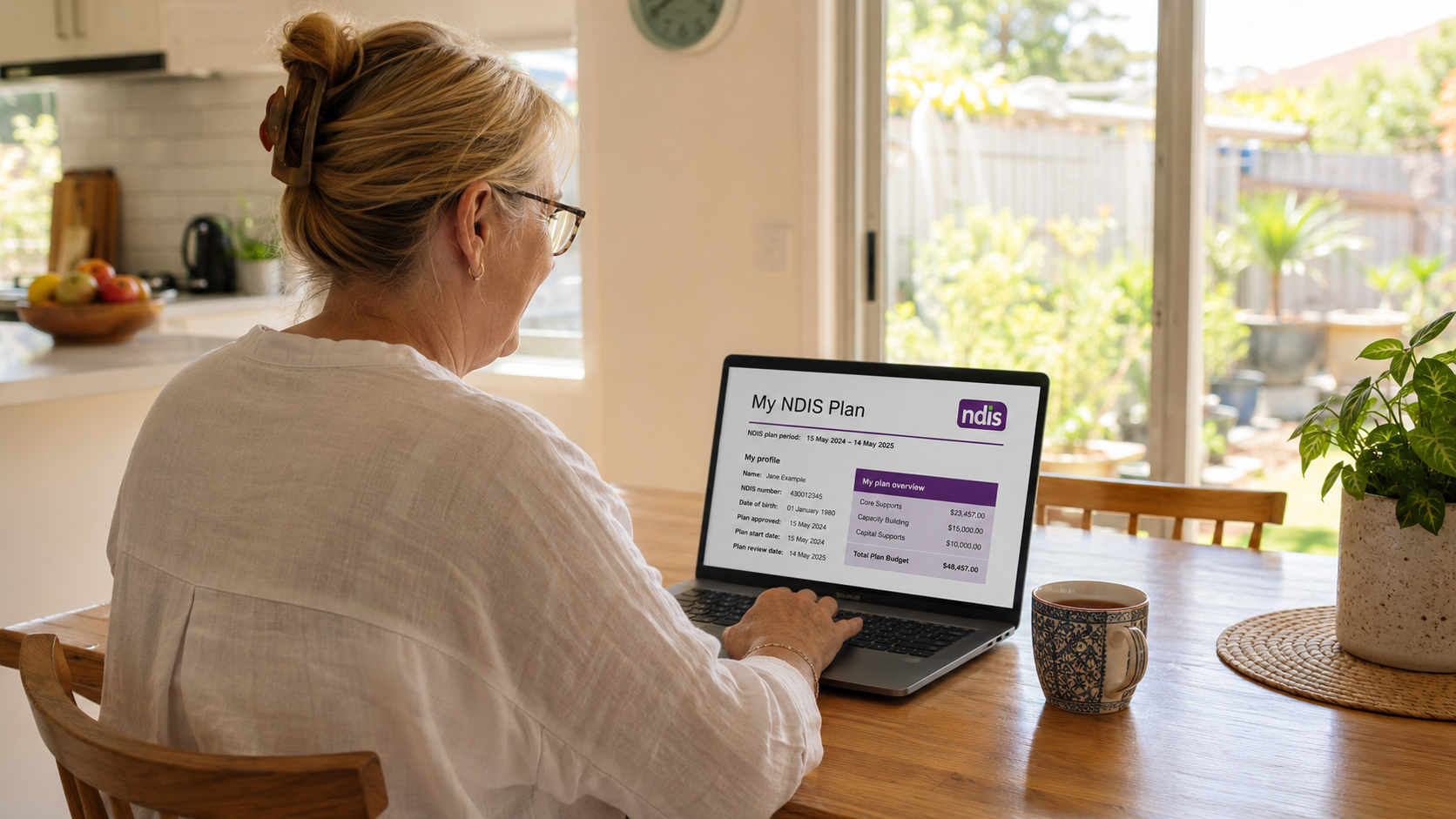
Yes, your NDIS plan is likely going to look a bit different soon. Are you from Australia? Then you have probably heard about the Mid-Year Rollout. The NDIA is changing the way they find your exact needs from mid-2026. Navigating NDIS plan changes is a huge adjustment. Truly, it’s a new way of looking at how we all live our lives.
I just spoke to a stressed mum in Adelaide recently. Because her son’s and her support plan were up for review right as these changes hit. She felt hopeless. Did you feel the same way? You don’t have to be panicked about the Change coming for you. Here, we will guide you properly so that you can know what to look for and can handle everything smoothly.
What is the 2026 Mid-Year Rollout?
The 2026 rollout is part of a bigger mission to make the scheme sustainable. For us in SA, the biggest shift is the introduction of a new standardised assessment. Instead of just handing over a pile of doctors’ letters, the NDIA will use a new tool (often called the I-CAN tool). With this tool can see how you actually manage daily tasks.
This means NDIS plan development is moving away from just medical labels and focusing more on functional capacity. In fact, they want to observe what you can do and where they can help you be more independent.
Navigating NDIS Plan Changes in South Australia
The most critical part of handling NDIS Plan changes is your evidence. The 2026 rules are much stricter about reasonable and necessary supports. You can’t simply say that you need something. You need to show its contribution to a particular objective.
- Update your paperwork early: you should not wait for the NDIA to call you. Get your therapists to write reports that focus on your progress.
- Check your goals: Are they still right for you? Ndis changing goals is a normal part of life. If you want to start a job or move out. Your NDIS management plan needs to reflect that.
- Review your providers: With new mandatory registration for SIL providers starting July 2026, make sure your team is up to scratch.
Managing Your Funding: Should You Switch?
One big question I get is whether ndis plan management is changing. While the way you get your budget is shifting, you still have choices. Many people in SA are changing ndis plan manager to find someone who actually answers the phone. If your current manager isn’t helping you understand these 2026 changes, it might be time to move on.
A service such as Carers for Care, NDIS, or even similar local experts can ease your burden. They manage your bills, so you can focus on your life. Still, if you’re unhappy, changing plan manager NDIS is actually quite simple. It doesn’t require a full NDIS plan review.
| Feature | Old System | 2026 New Framework |
| Assessment | Mostly medical reports | Standardised functional tools |
| Plan Length | Often 12 months | Extended, more flexible plans |
| Spending | Roll-over of funds | Stricter guidelines for unused funds |
| Focus | Diagnosis-based | Goal and function-based |
Assistive Technology 2026 – The role of AT in the future.
The 2026 rollout also brings a streamlined approach to NDIS plan support for gear. Whether it’s a new wheelchair or a communication app, the goal is to get you the tech faster. However, for “complex” tech, you’ll still need a full assessment. If you’re looking for home care or nursing support, making sure your tech works with your human support is key.
Why Evidence is Your Best Friend
I have witnessed applications for funding being reduced due to the lack of detail in the report. In 2026, the NDIA is using more data to make decisions. If your NDIS plan support isn’t showing measurable outcomes. The computer could have marked it.
You need to talk about specific information. Instead of saying “I need help shopping”. You should use, “I need 2 hours of help to develop my budgeting abilities and grocery shopping skills.
This can be very helpful if you are switching your NDIS provider or requesting extra hours. You can find great tips on preparing for your yearly check-up to ensure you don’t miss anything.

FAQs: Your 2026 NDIS Questions Answered
How much will the NDIS spend in 2026?
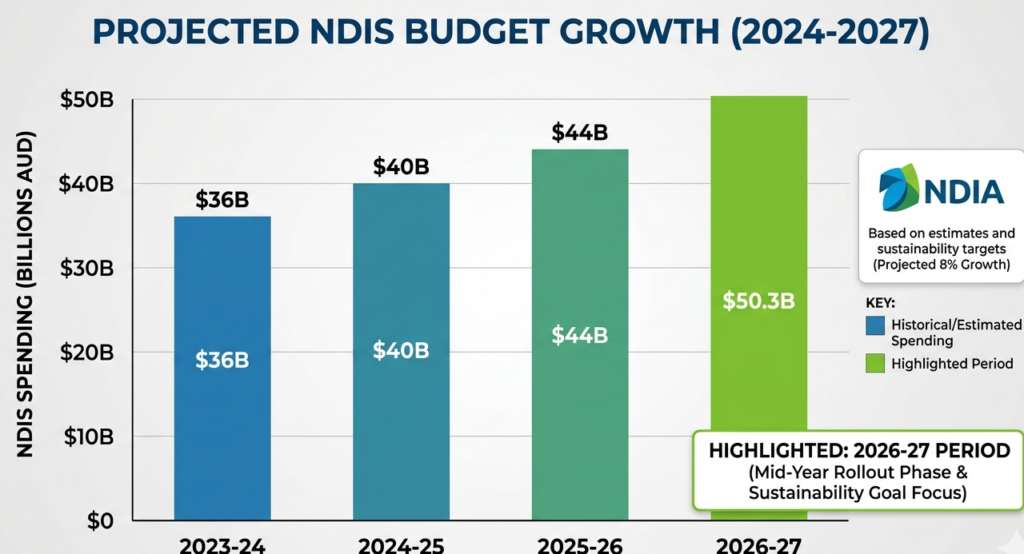
The government expects to spend around $50.3 billion on the ndis plan system in 2026. They are aiming to keep growth at 8% to ensure the scheme lasts forever.
What are the changes coming to the NDIS?
The key changes are the new functional assessments. The more stringent definitions of ‘reasonable’ and ‘necessary’, and the move towards a more proactive approach to NDIS plan development. Which will no longer be based only on diagnosis.
What is NDIS Assistive Technology 2026?
It means quicker access to everyday equipment, such as grab rails or simple tablets. A detailed NDIS management plan and expert evidence will still be required for high-cost items.
Does NDIS run out?
No, the NDIS doesn’t run out. But 2026 rules mean unspent funds might not roll over. It is vital to use your NDIS plan support as intended throughout the year.
Does the NDIS use AI?
The NDIA uses data systems for claims. But they’ve stated that AI won’t replace human judgment for NDIS plan review decisions. Right now, they are working on ethical uses of AI for back-office tasks.
Final Thoughts
The mid-year rollout might feel like a lot to take in. But remember that the core of the NDIS is still about you. By focusing on your goals and keeping your evidence updated, you can move through these 2026 changes with confidence. Don’t feel like you need to do everything on your own. If you need any help, feel free to contact community support services or your local LAC for a conversation.
At the end of the day, navigating NDIS plan changes is a team effort. You need to keep your carers and family informed, be organized, and don’t accept good enough support. Now, Best of luck on your journey!