

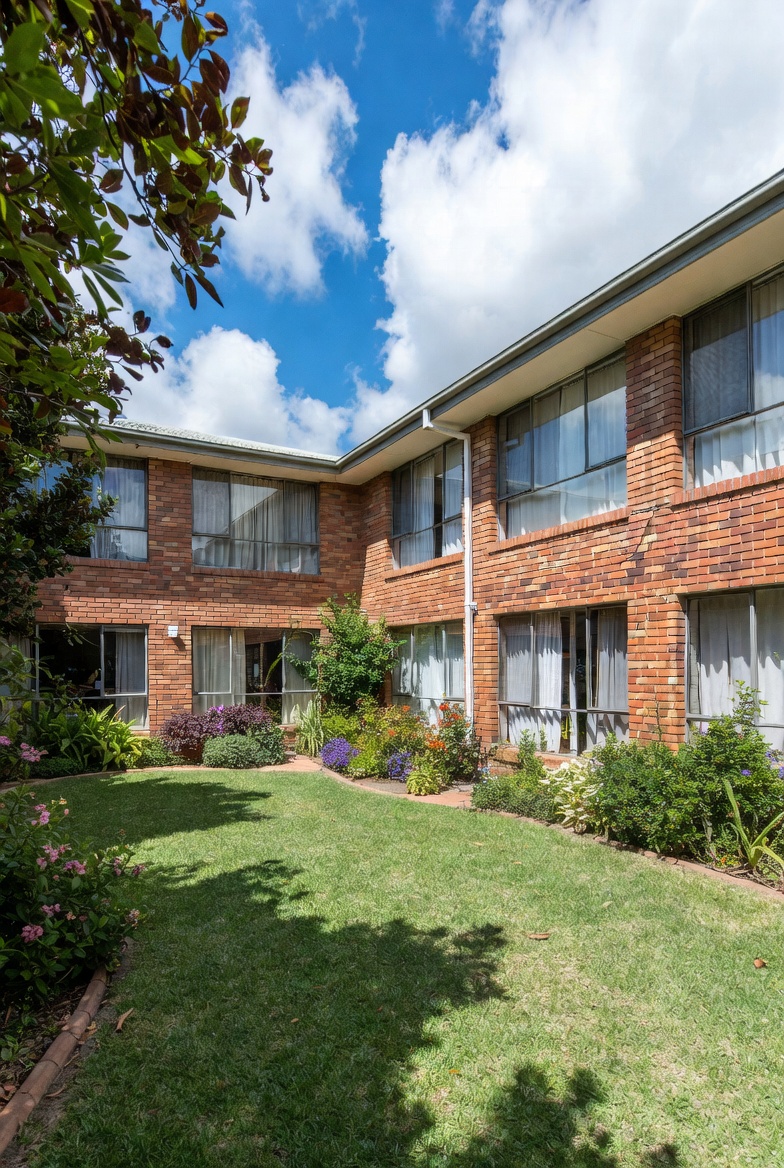
Specialist Disability Accommodation
Purpose-built homes designed to maximise independence, safety, and comfort for people with significant disability support needs.
What is Specialist Disability Accommodation?
Specialist Disability Accommodation (SDA) is NDIS-funded housing designed specifically for people with extreme functional impairment or very high support needs. These are purpose-built or modified dwellings that incorporate accessible features, assistive technology, and robust construction.
Unlike standard housing, SDA properties meet strict building standards set by the NDIS. They’re designed to reduce the level of support a participant needs, promote greater independence, and ensure safety and comfort in everyday living.
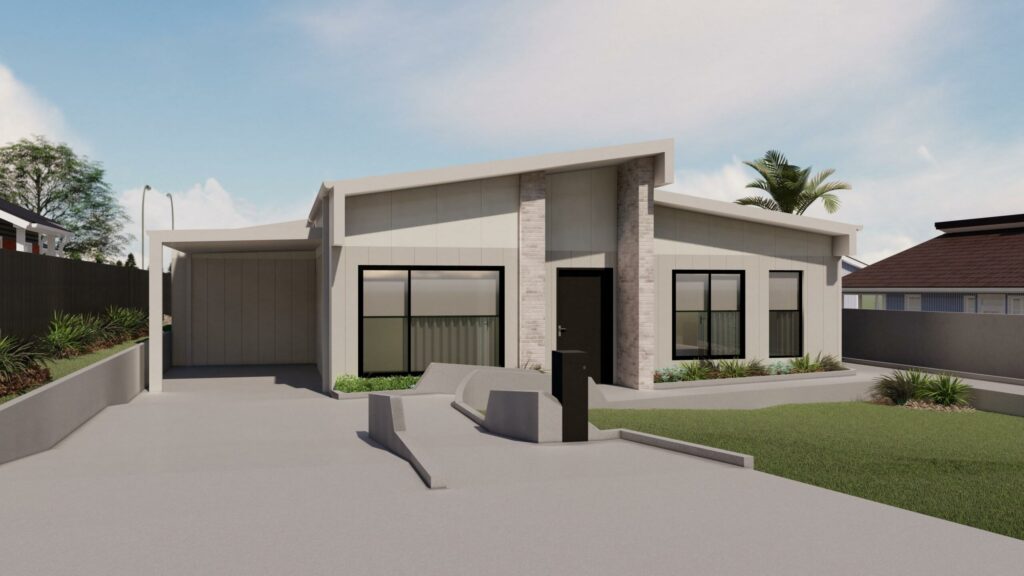
SDA Building Types
Apartments
Self-contained units within a larger complex, often with shared facilities and on-site support.
Villas / Townhouses
Standalone or semi-detached homes offering privacy with community proximity.
Group Homes
Shared living with 2–5 residents, with dedicated support staff and communal spaces.
Single-Resident Dwellings
Individual homes designed for one person, ideal for those needing high levels of personalised support.
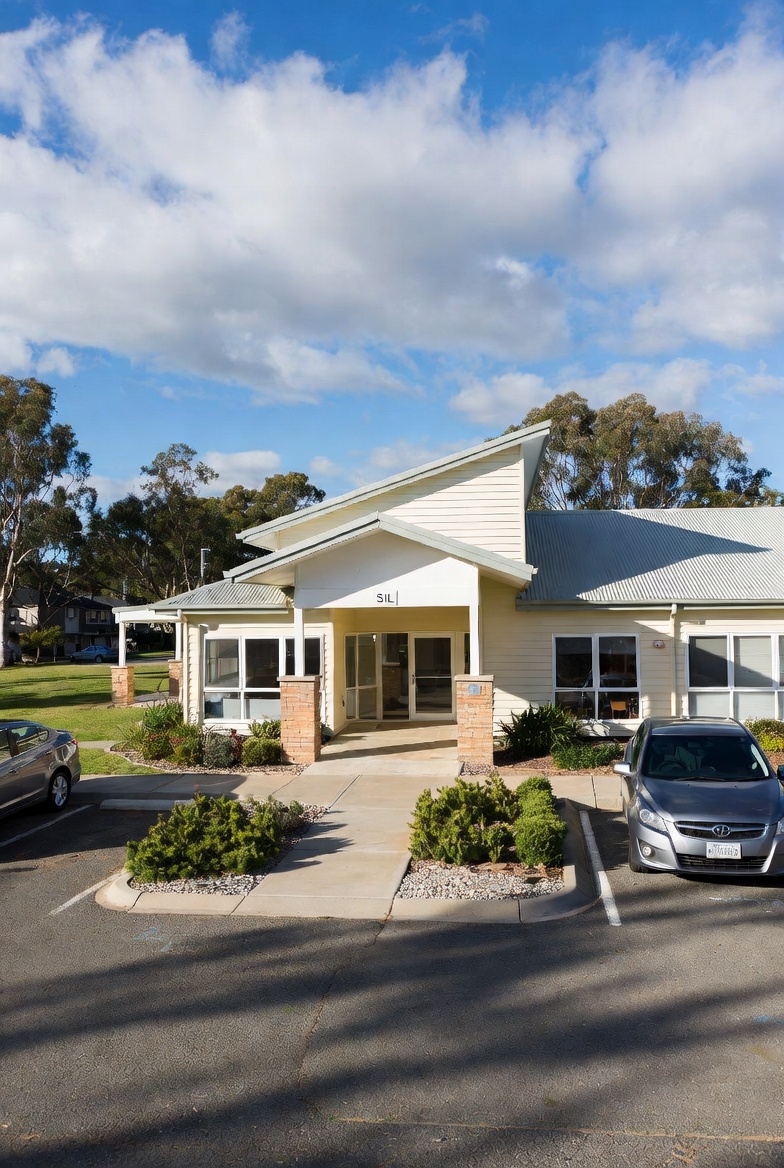
Features of Our SDA Properties
Accessible Entry
Level entry with automated doors and wide pathways
Accessible Bathrooms
Roll-in showers, grab rails, and adjustable fixtures
Safe Kitchens
Height-adjustable benchtops with safety shutoffs
Smart Technology
Voice control, automated blinds, and emergency systems
Sensory Design
Calming colour schemes and adjustable lighting
Assistive Tech Ready
Pre-wired for ceiling hoists and medical equipment
Your Path to SDA Housing
NDIS Plan Review
Your NDIS plan must include SDA funding. This is assessed based on your functional capacity and support needs during a plan review.
SDA Assessment
An occupational therapist completes a comprehensive assessment documenting your housing needs, including the design category and building type.
Approval & Matching
Once approved, we help match you with available SDA properties that meet your specific design category and location preferences.
Move-In Support
Our team supports you through the transition process, helping you settle into your new home with all necessary services in place.
Find Your Ideal SDA Home
Let us help you navigate the SDA process and find a purpose-built home that supports your independence and lifestyle goals.
Common Questions About SDA
Understanding SDA funding and eligibility can be complex. Here are answers to the most common questions we receive.
Who is eligible for SDA funding?
SDA funding is available to a small number of NDIS participants (roughly 6%) with extreme functional impairment or very high support needs. Eligibility is determined through your NDIS planning process based on assessments from occupational therapists and other allied health professionals.
What is the difference between SDA and SIL?
SDA (Specialist Disability Accommodation) refers to the physical dwelling — the specially designed house or apartment. SIL (Supported Independent Living) refers to the support services provided within a home. They are separate NDIS funding categories and a participant can have one or both.
Can I choose where I live with SDA?
Yes, choice and control are fundamental NDIS principles. You can express your location preferences, choose between available properties, and decide who you live with. We work with you to find the best match based on your needs and preferences.
What design categories are available in South Australia?
All four NDIS SDA design categories are available in SA: Improved Liveability, Fully Accessible, Robust, and High Physical Support. South Australia has been expanding its SDA supply, particularly in the Adelaide metropolitan area and regional centres.
How long does the SDA application process take?
The timeline varies, but typically the process from initial assessment to moving in can take 3–12 months. Factors include the complexity of your assessment, plan review timelines, and availability of suitable properties in your preferred location.
What costs are involved in SDA?
SDA funding covers the cost of the specialist housing. You’ll typically pay a reasonable rent contribution (25% of the Disability Support Pension plus 100% of Commonwealth Rent Assistance). Utilities and personal living expenses are your responsibility.