

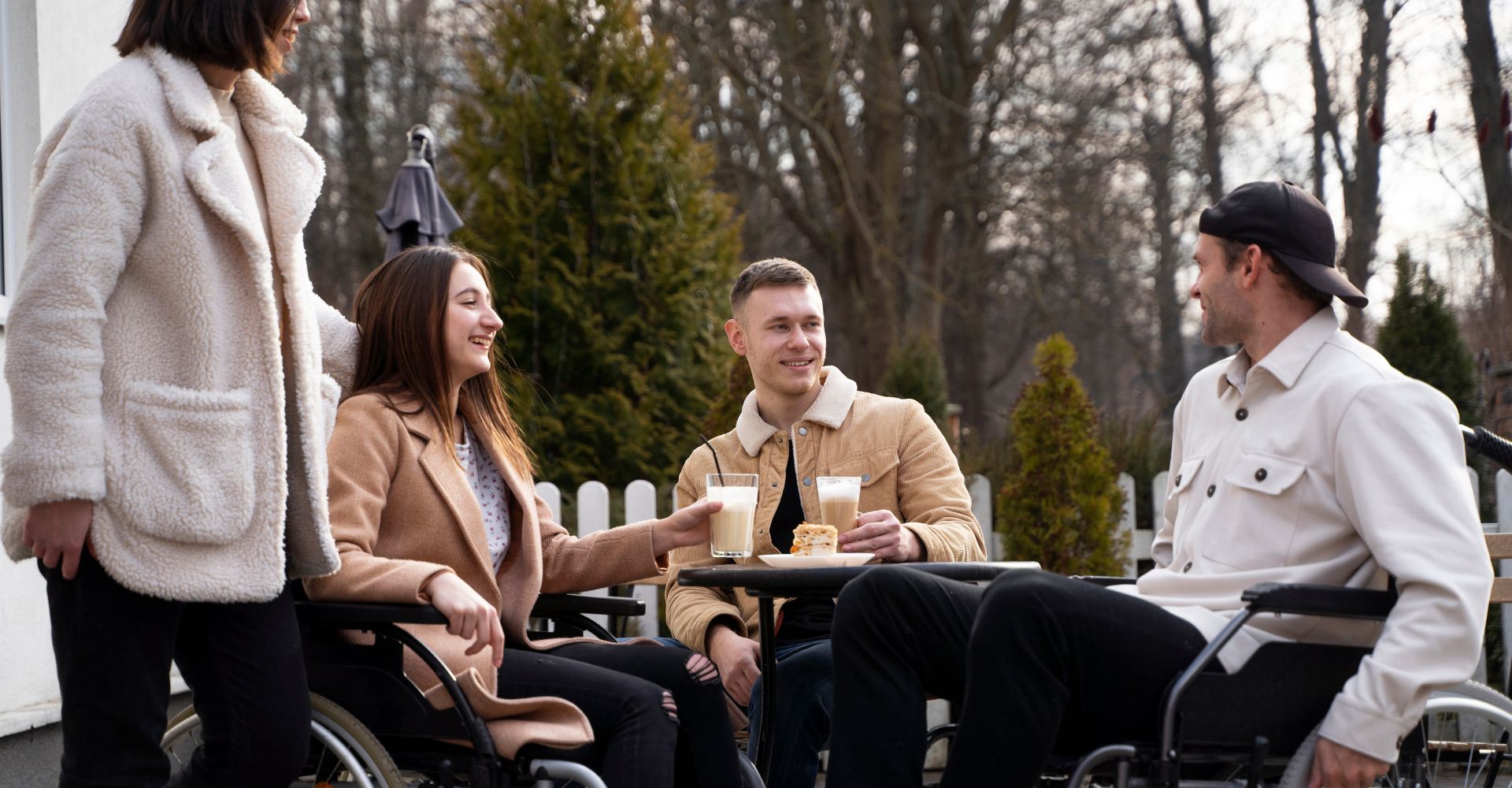
Many people living with a disability across Australia face real barriers to getting out, connecting with others, and taking part in everyday community life. NDIS community participation support exists to change that by funding the help people need to join in.
This support sits under the National Disability Insurance Scheme and covers a broad range of social, recreational, and skill-building activities. It gives participants the tools and assistance to take part in activities that match their goals and interests.
Through community participation NDIS funding, participants can develop new skills, meet people with similar interests, and stay engaged in their local community. This article covers how the support works, what activities it funds, and how to get it included in a plan.
What is NDIS Community Participation Support?
NDIS community participation support sits under Support Category 4 in a participant’s Core Supports budget. It funds the assistance people with disability need to get active in their local community.
Participants use this funding to take part in social, recreational, and community activities, either one-on-one or in a group setting, both in centres and out in the community. Activities must be considered reasonable and necessary, meaning they need to directly align with the goals listed in the participant’s NDIS plan.
Definition of Assistance with Social and Community Participation
Assistance with Social and Community Participation is a budget under the NDIS Core Supports category that funds help for participants to take part in community, social, and recreational activities.In practical terms, this means a support worker can accompany a participant to a local event, hobby class, or group activity. All supports funded under this item must be determined as reasonable and necessary given the participant’s plan goals.
How NDIS Community Participation Support Helps People With Disabilities Engage in Society
The purpose of this support is to help people with disability achieve independence through increased social and community participation, as the NDIS recognises that people need community engagement, socialising, and fun for their health and wellbeing. A support worker can help a participant attend a cooking class, join a sports club, or take part in volunteering. Research shows that social and community activities increase a sense of belonging, connection, confidence, and safety for participants.
Why is Community Participation Important for People With Disabilities?
Community participation matters because it directly shapes the health, independence, and quality of life of people with disability. According to the Australian Institute of Health and Welfare, 1 in 5 people with disability aged 15 to 64 experience social isolation, compared to just 9.5% of those without disability.
Recent NDIS data shows that in the first quarter of 2024 to 2025, 41% of NDIS participants aged 15 and older reported increased participation in community and social activities, representing a 19% rise compared to earlier periods.Getting people with disability more active in their communities is not just a social goal. A Productivity Commission report found that increased community participation leads to better health, wellbeing, and quality of life outcomes for people with disability and their carers and can also lower care and support costs over time for those with mild to moderate disability.
Social Events, Recreational Activities, and Community Programs
NDIS social and community participation covers a wide range of activities that help people get out and stay connected. This includes playing sports like basketball, tennis, or soccer, taking part in physical activities like swimming or rock climbing, joining a social group at a local community centre, and going on special excursions to places like art galleries, parks, or the movies. A participant who joins a weekly sports group, for example, builds both fitness and real friendships at the same time. Over time, those regular outings become a genuine part of their routine.
Education, Skill-Building Classes, and Hobby Groups
Skill-building activities give participants the chance to grow their independence while doing something they enjoy. Support workers can assist participants to attend group-based classes such as coding, dance, or art, visit the local library, or take part in music lessons and drama workshops. These activities drive cognitive, emotional, and physical development and create genuine opportunities for community engagement, helping participants connect with others in relaxed settings and build real friendships. A participant who joins a weekly art class, for instance, picks up a new skill and builds social confidence at the same time.
Volunteering, Sports, and Local Community Involvement
Volunteering and sports give participants a real sense of purpose alongside social connection. The NDIS recognises volunteering as unpaid work that builds personal and professional relationships while making a positive impact on the community.Volunteering placements can be structured as Capacity Building supports to develop work-ready skills, while adaptive sports programs can include support worker assistance and equipment hire to help participants take part safely.A participant who joins a local sports club in Adelaide, for example, builds fitness, friendships, and a genuine sense of belonging all at once.
How Does NDIS Fund Community Participation Support?
The NDIS funds community participation support across two separate budget categories: Assistance with Social and Community Participation under Core Supports and Increased Social and Community Participation under Capacity Building Supports.
Core Supports is the most flexible budget, meaning participants can generally use funding across any of the four core support categories, including social and community participation, daily activities, consumables, and transport. Capacity Building funding works differently. Participants cannot move capacity-building funds between categories, so the funding must be used only for the specific purpose it was allocated for in the plan.
Assistance with Social and Community Participation Under Core Supports
Assistance with Social and Community Participation sits under the Core Supports budget and covers funding for a support worker to help participants take part in social, community, and recreational activities. In practical terms, this means funding can pay for a support worker to help someone attend a local sports club, join a community group, or get to a social event safely. Participants can generally move Core Support funds between categories like daily living, transport, and community participation, as long as they are all managed the same way.
Capacity Building Supports That Develop Community Participation Skills
Under Capacity Building, the Increased Social and Community Participation category funds development and training to build independence and help participants access the community, including mentoring, peer support, and public transport training. Unlike Core Supports, Capacity Building funds cannot be moved between categories, meaning this funding must be used only for the specific purpose it was allocated for in the plan. Over time, these skill-building supports reduce a participant’s reliance on direct assistance and help them take part more independently.
Eligibility Requirements for NDIS Participants
To access disability community participation support through the NDIS, a participant must meet all three of the following criteria:
- Age: Must be under 65 years of age at the time of registration
- Residency: Must be an Australian citizen, hold a permanent visa, or hold a Protected Special Category visa
- Disability: Must have a permanent disability that significantly affects the ability to take part in everyday activities such as travelling around the community
The Australian Institute of Health and Welfare estimates that 89% of people living with disability in Australia will not meet NDIS eligibility, mainly because they are above 65, below 9, or have a temporary disability.
How Support Coordinators and Providers Help Arrange Services
A support coordinator helps participants understand and use their NDIS plan, connects them with NDIS providers, community, mainstream and other government services, and builds their confidence and skills to manage and coordinate their supports. In practice, this means a support coordinator can research local community participation providers, set up service agreements, and help a participant lock in a weekly schedule of activities that fits their plan budget. They should also know about services in the local community and help the participant find the right mix of supports based on their individual circumstances, needs, and preferences
How Do Support Workers Assist With Community Participation?
A support worker assists a person living with disability to live more independently and take part in their community by providing practical, hands-on support tailored to the individual’s goals, needs, and NDIS plan.
Support workers assist participants in accessing social and recreational activities, accompany them to events or appointments, and help them connect with local community groups. That might look like helping someone catch a bus to a weekly art class, waiting with them at a local sports game, or sitting alongside them at a community volunteering session.
Support workers also track confidence, comfort, and engagement over time, recognising progress through consistent observation and positive reinforcement so that small wins build into lasting independence.
Helping Participants Attend Activities and Events Safely
Support workers handle the practical side of getting there and staying safe. They arrange transport, guide participants through unfamiliar places, and stay close during activities so nothing feels overwhelming. A support worker riding the bus to a first community event makes the whole experience far less stressful for the participant.
Encouraging Independence and Confidence in Social Environments
The goal is always to step back over time, not stay front and centre. Support workers build confidence by teaching communication skills, decision-making, and travel training during real community activities. A worker might sit beside a participant at a group class at first, then gradually step back as comfort grows.
How Do You Include Community Participation Goals in Your NDIS Plan?
Community participation goals go into a plan by clearly linking the activity to a personal outcome the participant wants to achieve. Goals need specific language that states what the participant wants to achieve, how progress will be measured, what supports are needed, and the timeframe for getting there. Before a planning meeting, it helps to gather clinical reports, goal statements, and examples of how participation will improve daily functioning, along with a clear statement on the expected outcome and timeframe. A well-prepared participant walks into their planning meeting with a strong case already built.
Setting Clear Goals for Social and Community Engagement
Clear goals get funded. A strong NDIS goal states what the participant wants to achieve, what supports are needed, and how progress will be measured. “Attend a weekly group activity to build social connections over 12 months” is far stronger than “I want to make friends.”
Working With an NDIS Provider to Access the Right Supports
The right provider opens more doors. Work with a planner or Local Area Coordinator to identify goals, then find a registered provider whose activities directly align with those goals and the participant’s personal interests. A good plan manager also unlocks access to unregistered providers.
Frequently Asked Questions About NDIS Community Participation Support
These are the questions we hear most often about community participation support NDIS funding, answered directly and clearly.
What Does Assistance with Social and Community Participation Mean in NDIS?
Assistance with Social and Community Participation funds a support worker to help participants take part in social, recreational, and community activities, either one-on-one or in a group, in a centre or out in the community.
Does NDIS Pay for Community Activities and Events?
The NDIS funds the support worker’s time and transport to help a participant attend activities, but entry fees, membership costs, equipment, and food are everyday costs the participant pays themselves.
Can Support Workers Accompany Participants to Social Activities?
Yes, under Assistance with Social and Community Participation, the NDIS funds a support worker to accompany a participant to social activities, community events, and recreational outings that align with their plan goals.
Is Transport Included in NDIS Community Participation Support?
Yes, NDIS transport funding covers travel to social outings, recreational activities, community events, and visiting friends and family for participants whose disability makes using public transport difficult.