

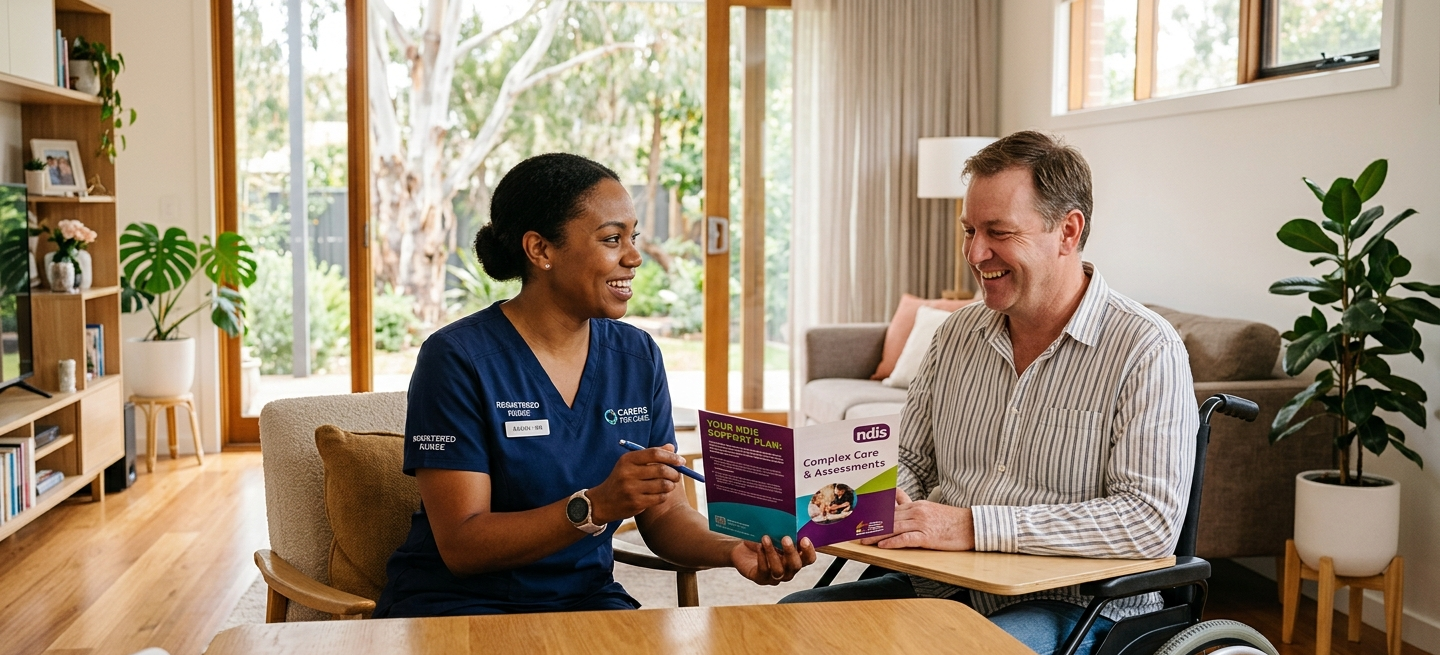
The NDIS can be a bit confusing and stressful, and you’re never sure if you are doing it right. Suppose you or your family member has complex medical needs. Getting the right support is not just a matter of convenience. It’s a matter of safety. That’s the reason why a nursing assessment is the hero of your NDIS support plan.
For many people with disability in Australia, health care isn’t a burden. They are the key to a good life. It’s a guide to staying home and healthy. So, we have specified the key role of nursing assessments in helping you get NDIS complex care planning.
What is an NDIS Nursing Assessment?
In simple terms, a nursing assessment is an evaluation of your health needs. A registered nurse will assess the way your weakness affects your health. It’s not a simple conversation. It’s a complete physical assessment nursing process. This is to ensure you have the right nursing services to live safely and independently.
The NDIS provides funding for reasonable and necessary NDIS nursing services. The NDIA needs proof to fund this. Nursing health and physical assessments do just that. It shows you need more than a regular support worker to do some things. You need the expert eye of a professional.
Why Assessments are Vital for Complex Care
When we refer to “complex care,” we’re talking about high-level health care. This might include:
- Tracheostomy or respiratory support.
- Enteral feeding (PEG).
- Dysphagia or complex feeding.
- Complex bowel and bladder care.
If they’re not identified by a nurse, these needs could be missed during ndis planning. Without an accurate plan, it can result in avoidable hospital admissions. NDIS nurses help by identifying risks early. They don’t just treat problems, but also help prevent them.
Nurses Role in Clinical Planning
Ndis nurses support participants to develop a behaviour support plan ndis (if required) or a clinical pathway. They will collaborate with your NDIS plan management agency to ensure the plan budget is sufficient for the required hours of care. This is the key to making it all work.
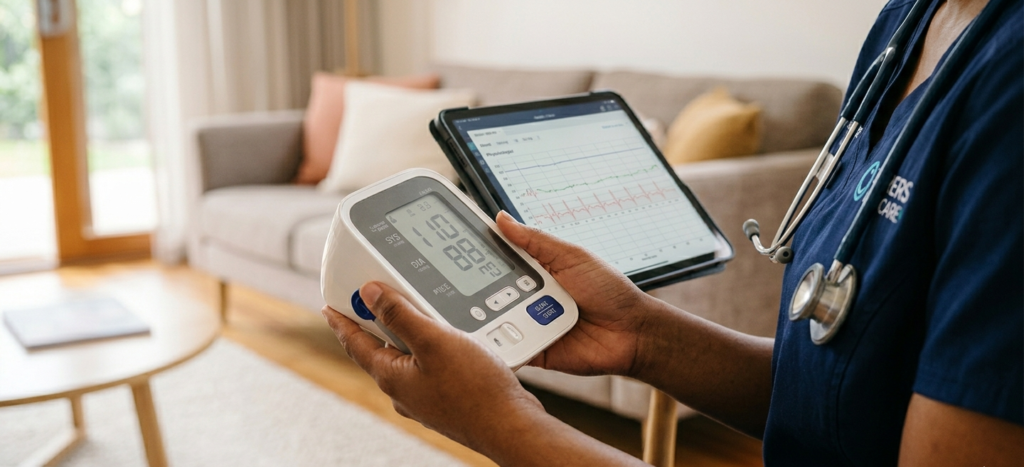
Key Data: How Nursing Oversight Improves Outcomes
According to Australian clinical standards, here’s how assessments affect participant safety:
| Care Area | Without physical Nursing services | With professional Nursing Professional analysis |
| Medication | Higher risk of errors. | Accurate medication management & monitoring. |
| Hospital Stays | Frequent “preventable” admissions. | Dramatic reduction in emergency visits. |
| Independence | Reliance on clinical facilities. | Safe living at home with NDIS nursing. |
| Skin Integrity | At high risk of pressure sores. | Proactive injuries care and prevention. |
The 6 P’s of Nursing and Beyond
Have you ever wondered what goes on in a nurse’s mind? Sometimes they use tools to help ensure they don’t miss anything. During a physical assessment, nurses check your lungs, skin, and more.
Getting the Right People on Your Team
The right team is like the right captain, who knows the field better. From an eye assessment nursing expert to an NDIS financial plan management strategy, the right NDIS nursing services can help.
At Carers for Care, we care about people, not just numbers. We know that a quality life is about having a good plan. If you’re a bit confused about the NDIS process, we can show you the way. But we won’t make you fill in 50 forms to get a hello. If you want to have a chat, give us a call – no medical hassle, just support.

Insurance and Nursing: How it all works
So, why is there an insurance assessment nurse? Because the NDIS is an insurance scheme. The NDIA wants to ensure its expenditure is value for money. The nurse’s report is a stamp of professional approval. It explains to the insurance part of the NDIS why you need particular medical support for your safety. This is an important part of NDIS planning!
Benefits for NDIS Participants and Families
A good assessment can make all the difference. It can make the difference between getting by and living life to the fullest. For the care recipient, it typically means feeling stronger and free. So, you can expect fewer emergency hospital visits and more time at home.
But it’s not just the person who receives care. Families have a lot on their side, and a plan is a relief. There’s the huge relief of knowing the medical support is in place. And it simplifies the NDIS financial plan management. If you have the right amount of funding, you don’t have to fight for more.
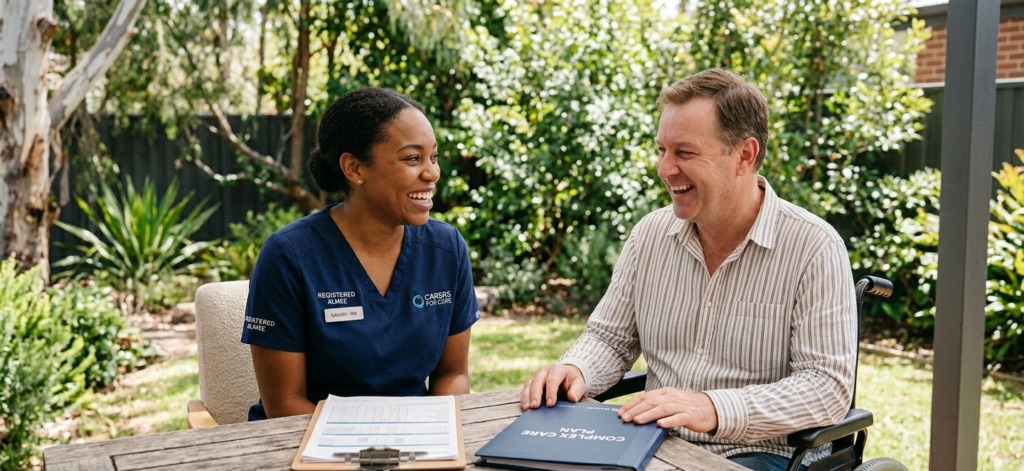
Keeping Things On Mind
First, to maintain your support, try to keep up with check-ups. And don’t leave it until the last minute to request a new nursing physical assessment. Also, try to keep a basic file of any changes, too.
Proper communication provides a better plan. If you’re feeling like you’re running in circles, consider getting some help. Here, if you want, you can have a chat with us at Carers for Care. We are good listeners, and we do the paperwork too.
FAQs
What are the 5 main parts of patient assessment?
The five parts are: 1. Collection of data, 2. Nursing diagnosis, 3. Planning of care, 4. Carrying out the care plan and 5. Evaluation of the plan’s success.
What are the 4 roles of assessment?
Assessment serves to: 1. Determine current health status, 2. Provide a benchmark for change, 3. Determine potential risks, and 4. Decide what type of care is required.
What are the 6 P’s of nursing assessment?
The 6 P’s are typically Pain, Pallor, Pulselessness, Paresthesia, Paralysis, and Pressure. They help nurses assess if there’s a problem with a person’s circulation or nerves during an examination.
What is the meaning of assessment in nursing care plan?
Assessment is the foundation of a care plan. It is the collection of all medical and personal information to determine what health care services are required to give you safety.
Final Verdict
Ultimately, a nursing service is more than just a form. It’s about making sure your NDIS support plan works for you. Through quality life and safety, ndis nurses keep their clients out of the hospital and at home.
If you have complex needs, don’t go with a one-size-fits-all plan. Insist on the clinical support offered by a nursing assessment. It’s the best way to stay healthy so you can live life to the fullest.